Throughout history, some of the most profound challenges to war have come not from political leaders or military strategists, but from individuals guided by conscience and faith. Across centuries and cultures, people have refused participation in war because they believed that taking human life violated their deepest spiritual convictions. This tradition, known as conscientious objection, represents one of the clearest examples of the tension between the demands of the state and the moral authority of individual conscience.
Religious objection to war has deep historical roots.
Early Christian communities often interpreted the teachings of Jesus as a call to nonviolence, refusing military service in the Roman Empire. Later, religious groups such as the Quakers, Mennonites, Amish, and other Anabaptist traditions developed explicit doctrines rejecting participation in warfare. Members of these communities frequently faced persecution, imprisonment, fines, and social exclusion because they would not bear arms. Their resistance was not based on political expediency or fear; it was grounded in a belief that faith required a commitment to peace, reconciliation, and respect for human life.
As modern nation-states expanded military conscription, the question of religious objection became increasingly important. Governments were forced to confront a difficult dilemma. Could a democratic society compel individuals to violate their deepest moral and religious beliefs? Over time, many countries developed legal mechanisms allowing conscientious objectors to perform alternative forms of service rather than participate directly in combat. These accommodations acknowledged that citizenship involves more than obedience to state authority; it also requires protection of fundamental freedoms of thought, conscience, and religion.
In the United States, recognition of conscientious objection gradually evolved through legislation and court decisions. While early exemptions often applied only to members of specific peace churches, later legal developments broadened understanding of conscience itself. Significant court rulings recognized that deeply held moral and ethical beliefs could carry the same weight as traditional religious convictions. This expansion reflected a growing awareness that opposition to war may arise from a variety of moral frameworks, all deserving serious consideration in a free society.
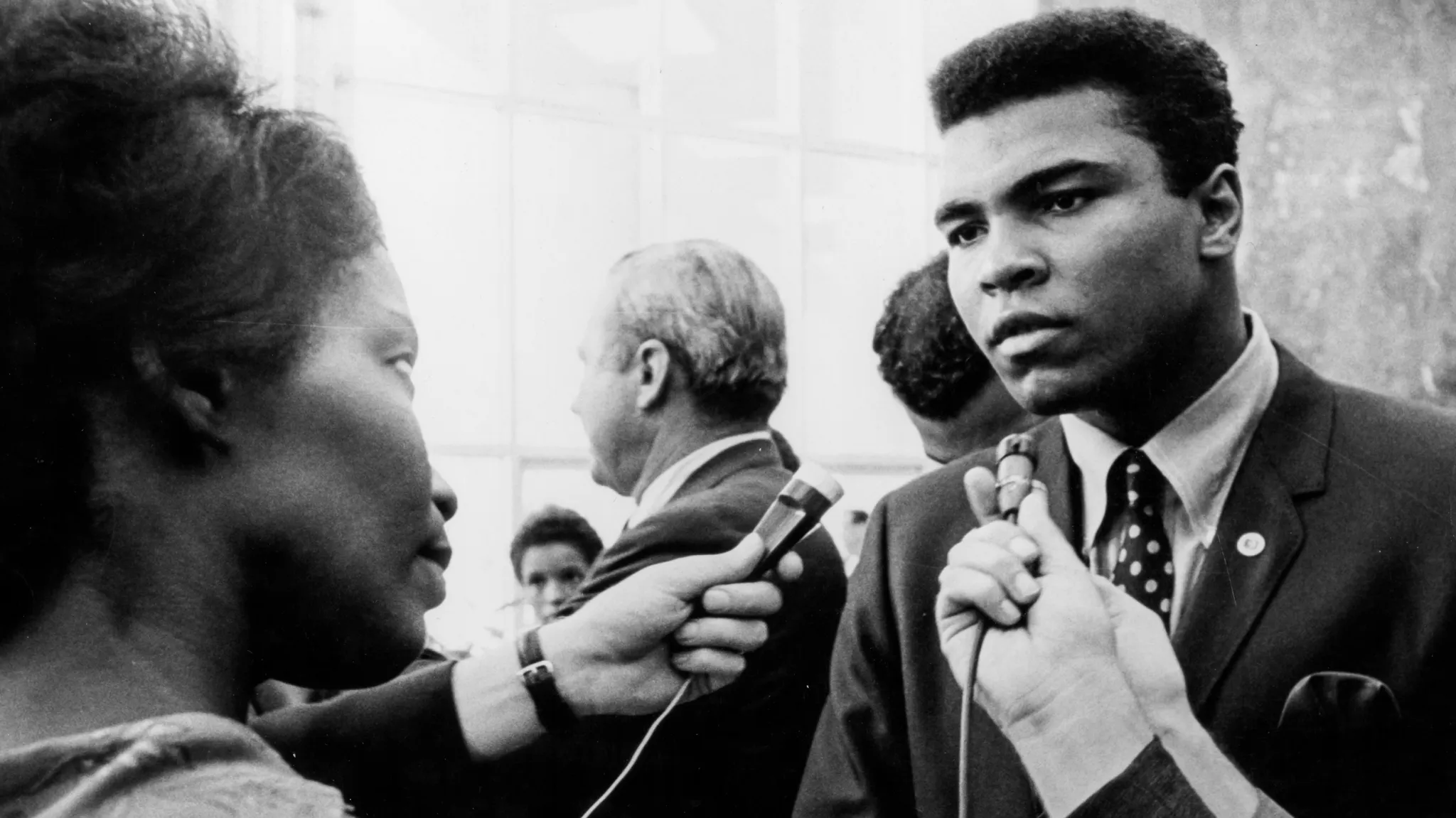
The stories of conscientious objectors reveal the personal costs of acting according to principle. During wartime, objectors have frequently been labeled unpatriotic, cowardly, or disloyal. Yet many demonstrated remarkable courage. Some accepted imprisonment rather than violate their beliefs. Others served in medical or humanitarian roles, aiding victims of war without participating in violence. Figures such as Desmond Doss, who served as an unarmed medic during World War II, and Muhammad Ali, who refused military induction during the Vietnam War, became symbols of the power of conscience to challenge prevailing social and political pressures.
Religious objection to war continues to raise important questions in the modern world. As conflicts persist across the globe, societies must balance national security concerns with individual rights. The continued existence of conscientious objection protections in many democracies reflects a recognition that moral diversity is not a weakness but a strength. When individuals are permitted to follow their conscience, societies affirm the principle that human dignity includes the freedom to hold and act upon deeply held ethical beliefs.
Beyond legal considerations, conscientious objection invites a broader reflection on the meaning of peace. Religious traditions that reject war often emphasize alternatives to violence, including dialogue, justice, community building, and conflict resolution. Their witness challenges the assumption that military force is the inevitable or preferred solution to human conflict. In doing so, they contribute to a larger conversation about how societies can pursue security while remaining committed to human rights and the preservation of life.
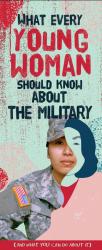
The relationship between religious objection to war and the work of the National Network Opposing the Militarization of Youth (NNOMY) is both direct and significant. NNOMY exists to ensure that young people have access to information, alternatives, and critical perspectives regarding military recruitment and militarization. Like the historic peace churches and conscientious objectors who came before them, NNOMY affirms the importance of informed moral choice. The organization does not simply oppose recruitment practices; it advocates for the right of young people to examine military service through ethical, religious, political, and personal lenses before making life-altering decisions.
Conscientious objection demonstrates that resistance to war has long been rooted in the belief that individuals must be free to follow their conscience, even when doing so challenges powerful institutions. NNOMY carries this tradition into the contemporary era by empowering youth with knowledge, encouraging critical thinking, and amplifying voices that promote nonviolent alternatives. In this sense, the legacy of religious objection to war is not merely a historical phenomenon. It remains a living tradition that informs modern peace activism and strengthens efforts to create a society where conscience, human dignity, and nonviolence are valued as essential foundations of democracy.
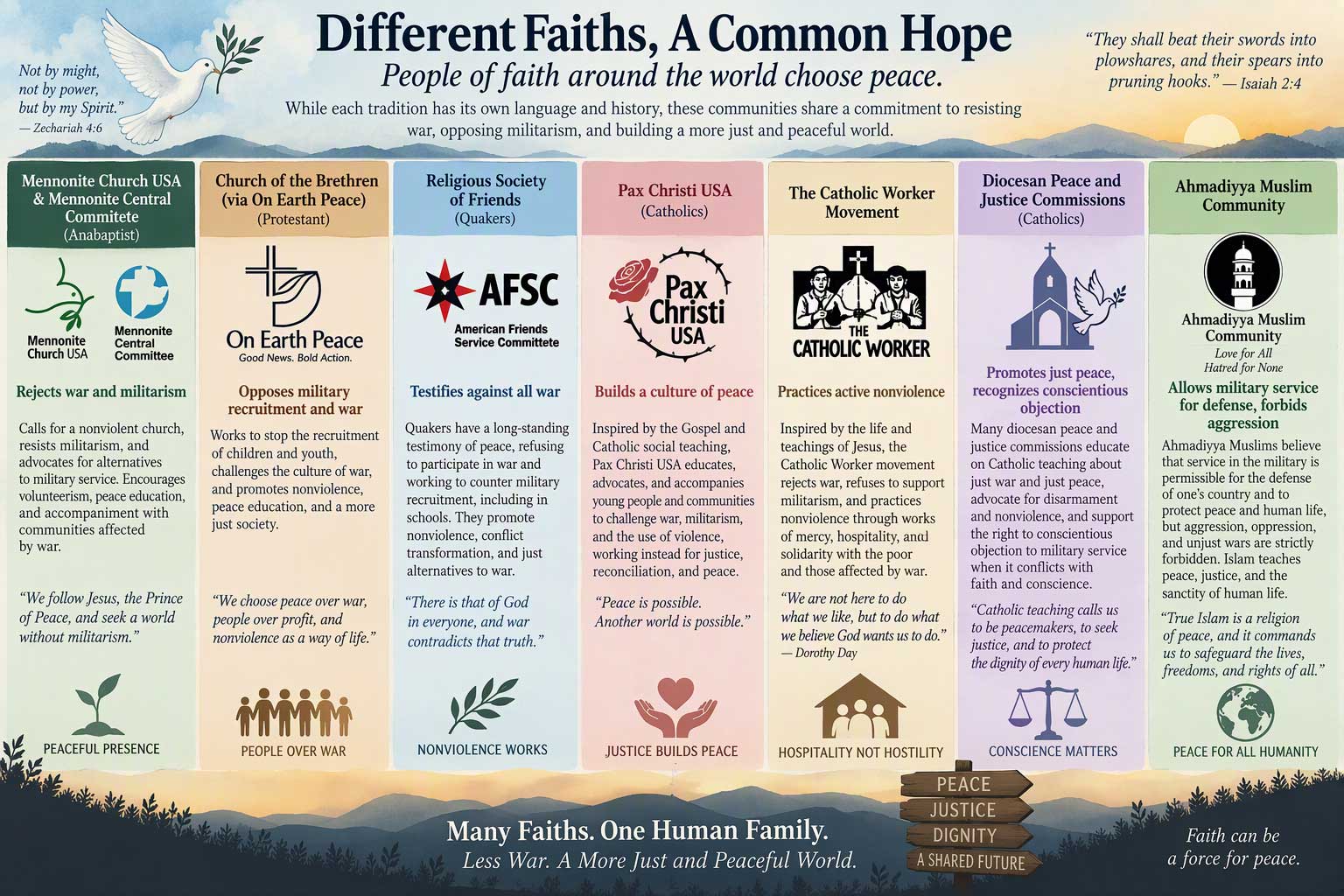
Resources:
- Mennonite Church USA & Mennonite Central Committee (Anabaptist)
https://www.mennoniteusa.org/news/mennonites-against-militarism-seeks-volunteers/ - Church of the Brethren (via On Earth Peace) (Protestant)
https://www.onearthpeace.org/stop_recruiting_kids_campaign_revitalizing_the_past - Religious Society of Friends (Quakers)
https://afsc.org/news/five-ways-counter-military-recruitment-your-school-district - Pax Christi USA (Catholics)
https://paxchristiusa.org/2025/12/08/peace-pairs-2026-starts-soon-young-adults-apply-now/ - The Catholic Worker Movement
https://digitalcommons.fau.edu/cgi/viewcontent.cgi?article=1118&context=prism - Diocesan Peace and Justice Commissions (Catholics)
https://www.reddit.com/r/Catholicism/comments/s8ah4j/is_a_catholic_morally_obligated_to_accept_a_draft/ Ahmadiyya Muslim
https://www.alislam.org/question/islam-muslims-army/
What is a Peace Church?
A (Christian) Peace Church is a church that…
- recognizes that war and militarism are inconsistent with the Gospel of Christ that calls us to love our enemies and pray for those that persecute us;
- recognizes that, as Dr. King said, “darkness cannot drive out darkness, only light can do that, hate cannot drive out hate, only love can do that;
- recognizes the harm that violence and war have done to soldiers and their families, to civilians, to the poor, to women and children, to society and to the environment;
- recognizes that the business of war drains our country of the resources needed to feed, clothe, educate, and house our own citizens;
- equips people as they discern their opposition to war, affirms that conscientious objection is a faithful response to war, and supports those who have declared themselves to be Conscientious Objectors;
- is ready to take a stand and say no to violence and war in the name of the Prince of Peace.
Additional Links:
Center on Conscience & War:
- Counseling and Legal Support|
https://centeronconscience.org/counseling-legal-support/ - Statements from Religious Organizations
https://centeronconscience.org/religious-statements-on-conscientious-objection/
The GI Rights Hotline
- provides accurate, helpful counseling and information on military discharges, AWOL and UA, and GI Rights:
https://girightshotline.org/
Military Law Task Force
- The Military Law Task Force is a project of the National Lawyers Guild (NLG), established in 1969 to provide independent legal information and services to active-duty servicemembers, reservists, veterans, and their families, as well as lawyers and legal workers interested in military law issues. It operates independently and is not affiliated with the U.S. military or any government entity.
https://nlgmltf.org/
Peace Campus | San Diego Friends Center
- A commitment to peace and sustainability
It is time for all nations to act as one to ensure universal human rights and sustainability for the planet for all living things.
https://www.peacecampus.org/
Historic Anabaptist Peace Churches
- The historic peace churches and the reformations
https://www.thefreelibrary.com/The+historic+peace+churches+and+the+reformations.-a0500294658
- Protestant based Christian Peace churches
https://grokipedia.com/page/Peace_churches
Other Religious Peace Movements
Jewish Voice for Peace:
- The Jewish Voice for Peace family of organizations organizes a grassroots, multiracial, cross-class, intergenerational movement of U.S. Jews into solidarity with the Palestinian freedom struggle, guided by a vision of justice, equality and dignity for all people.
https://www.jewishvoiceforpeace.org/
###